
Post-processing for 3D printing: cleaning, annealing, coloring
2022-11-28
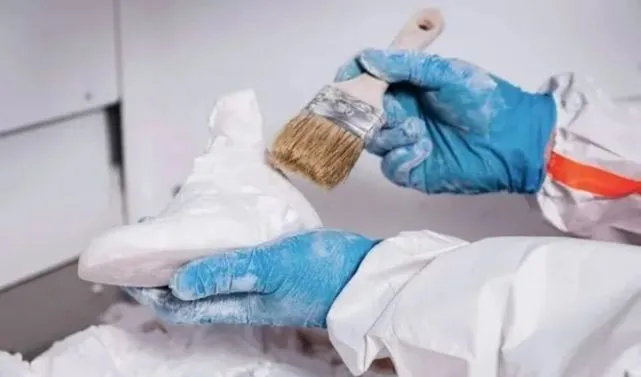
There are multiple steps in the design of additive manufacturing process, and only each step of excellence can lead to final precision parts, including modeling stage and printing stage. Once the work of the 3D printer is completed, it is usually necessary to process the part itself: this is post-processing. Post treatment refers to all work performed on parts after they are taken out of the machine, including but not limited to cleaning, surface treatment, annealing and even coloring. Post processing technologies in 3D printing are as diverse as the manufacturing process itself, and each has its own specific requirements. But why is this step the key to 3D printing? What is the market structure of 3D post printing? Antarctic bears invite you to find out.
Post processing in 3D printing is mainly used to improve the aesthetics and performance of manufactured parts. For example, make the surface smoother or anneal the component to increase its strength and change its conductivity. Although some post-processing technologies can also be used for 3D printing process, most post-processing technologies are based on other manufacturing methods rather than additive manufacturing. The post-processing technology in additive manufacturing may be different, for example, the processing method of FDM parts must be different from that of metal parts. Therefore, post-processing is an important aspect to be considered in the 3D printing process.
Introduction of post-processing methods
The first step is to clean the parts. Cleaning of parts includes many things, such as de-bonding, flushing, brushing, blowing, etc. The goal is to remove all excess powder or resin materials. Depending on the printing process used, this step will take varying amounts of time. For example, for powder sintering, this is usually a time-consuming step that increases the manufacturing time.
The second type is annealing. This step is mainly to increase the temperature of the parts to improve their mechanical performance. These mechanical properties include heat resistance, ultraviolet resistance, and even its strength or thermal stability. This step mainly involves polymer components - for example, for resin processes, there are curing machines that are directly designed for specific printers. For powder bonding or indirect metal 3D printing, it must be degreased and then sintered in an appropriate oven. Therefore, annealing technology is often used to improve the final performance and function of parts.
Of course, post-processing also has challenges and limitations that the market has been trying to solve for many years. One of the biggest obstacles to 3D printing post processing is the time required. According to the annual study published by PostProcess Technologies, 53% of participants indicated that their biggest challenge was the working time for post-processing. These steps are still too time consuming and do not reduce manufacturing time with 3D printing. As a result, automated processes have become the choice of many professionals in this field. These automated steps reduce workforce and ensure employee safety. Therefore, the Antarctic Bear believes that automation is one of the main trends in the market, and we look forward to seeing further innovation in this area, both in post-processing and in the actual printing of parts!
Post processing in 3D printing is mainly used to improve the aesthetics and performance of manufactured parts. For example, make the surface smoother or anneal the component to increase its strength and change its conductivity. Although some post-processing technologies can also be used for 3D printing process, most post-processing technologies are based on other manufacturing methods rather than additive manufacturing. The post-processing technology in additive manufacturing may be different, for example, the processing method of FDM parts must be different from that of metal parts. Therefore, post-processing is an important aspect to be considered in the 3D printing process.
Introduction of post-processing methods
The first step is to clean the parts. Cleaning of parts includes many things, such as de-bonding, flushing, brushing, blowing, etc. The goal is to remove all excess powder or resin materials. Depending on the printing process used, this step will take varying amounts of time. For example, for powder sintering, this is usually a time-consuming step that increases the manufacturing time.
The second type is annealing. This step is mainly to increase the temperature of the parts to improve their mechanical performance. These mechanical properties include heat resistance, ultraviolet resistance, and even its strength or thermal stability. This step mainly involves polymer components - for example, for resin processes, there are curing machines that are directly designed for specific printers. For powder bonding or indirect metal 3D printing, it must be degreased and then sintered in an appropriate oven. Therefore, annealing technology is often used to improve the final performance and function of parts.
Of course, post-processing also has challenges and limitations that the market has been trying to solve for many years. One of the biggest obstacles to 3D printing post processing is the time required. According to the annual study published by PostProcess Technologies, 53% of participants indicated that their biggest challenge was the working time for post-processing. These steps are still too time consuming and do not reduce manufacturing time with 3D printing. As a result, automated processes have become the choice of many professionals in this field. These automated steps reduce workforce and ensure employee safety. Therefore, the Antarctic Bear believes that automation is one of the main trends in the market, and we look forward to seeing further innovation in this area, both in post-processing and in the actual printing of parts!
Related Articles
 European countries explore 3D printing buildings 2022-07-20 237
- "3D Printing Material Technology and Market - 2022 Edition" 2022-07-20 209
- Xinjiang Dashixia: 3D technology "prints" a smart dam-Guangzhou International 3D Printing Exhibition 2022-07-20 220
- 3D printing: the old area has a "technical style" - Guangzhou 3D Printing Exhibition 2022-07-20 192
- Zhuhai Xitong's new role leads the trend of domestic 3D printing 2022-07-20 217
- Follow Shanghai Inside3D Printing Exhibition to explore the trend of 3D printing in China 2022-07-20 230
- Where is the road for 3D printing? Look at the 3D printing market from Inside 3D 2022-07-20 198
- 3D anecdote Zhou Zhoukan Sound waves can also create 3D printed objects? 2022-07-20 261
- You are the most beautiful among the flowers, the best inventory of 3D printing in CES Asia 2022-07-20 198
- The truth is worth digging. How accurate is the desktop FDM 3D printer? 2022-07-20 263
- Nobel Laureate in Chemistry Daniel Shetman: 3D printing will become a rolling technology 2022-07-19 233
- Printing in 7 seconds for rapid drug production 2022-07-19 267
- Desktop Metal officially launches a new large-scale 3D printing system 2022-07-19 245
- What does the additive design software with fool-like operation and automatic lattice generation look like? 2022-07-19 257
- Light-curing 3D printing materials measured! The performance of Qingfeng elastic and tough materials in pillows | cushions | industrial products is unconventional 2022-07-19 279
- Explore how to achieve more targeted nutritional food through 3D printing 2022-07-19 235
- The RAF is developing a swarm of 3D-printed drones 2022-07-19 290
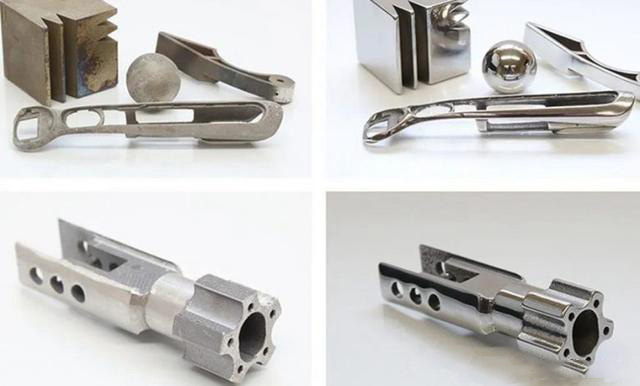 Common post-processing methods for metal 3D printed parts 2022-05-18 345
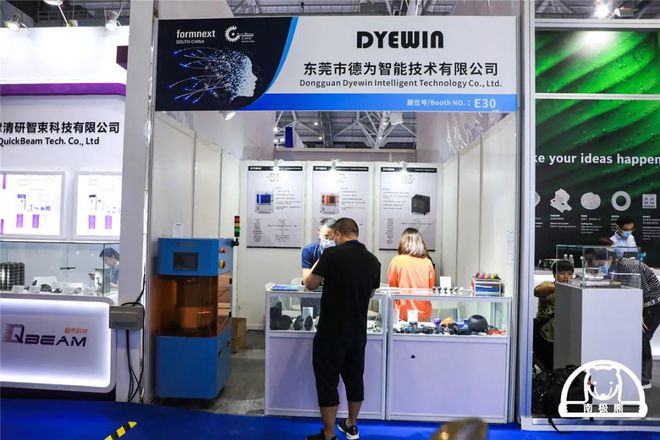 On September 9, 2021, the first Shenzhen Formnext + PM South China was held in Shenzhen International Convention and Exhibition Center. At the exhibition site, Antarctic Bear saw Dongguan Dyewin 2021-09-11 326
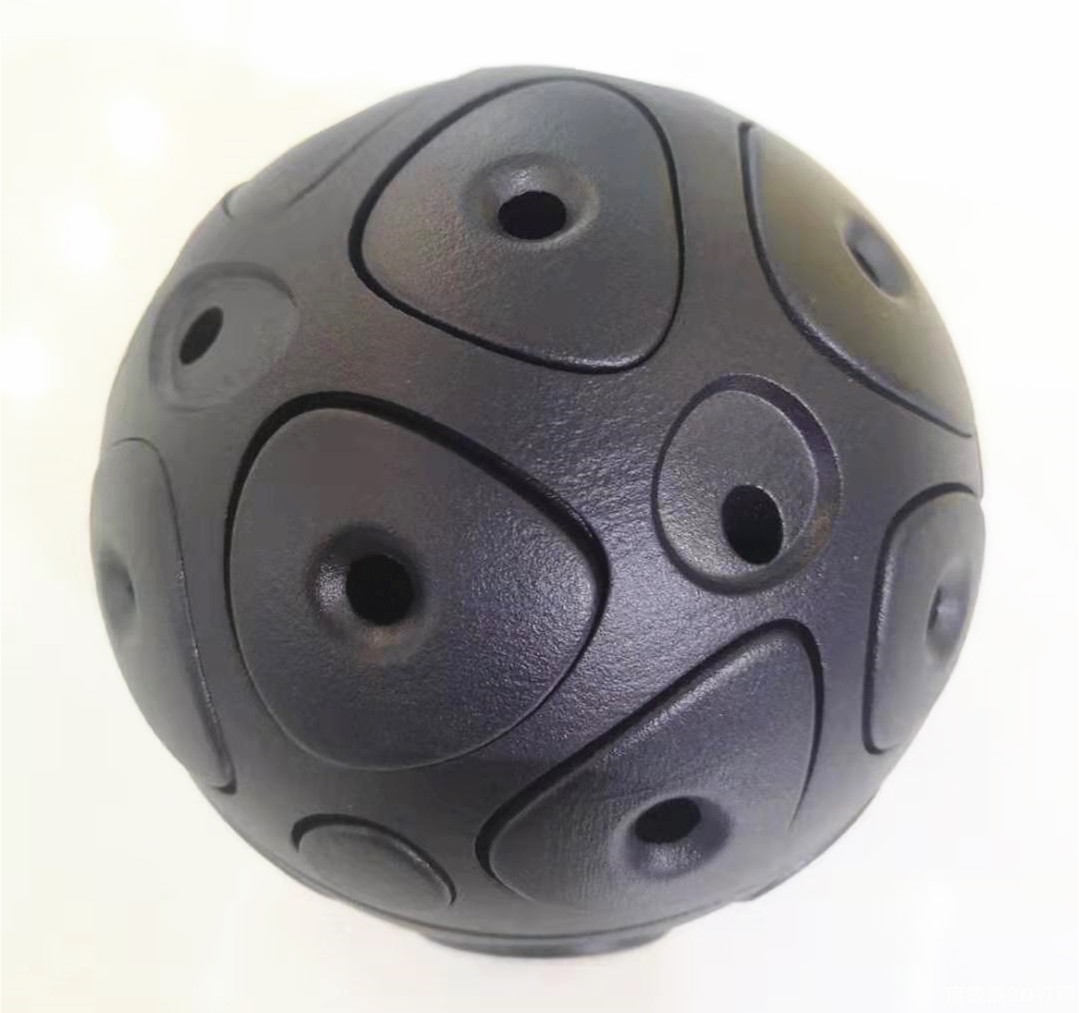 Domestic automatic 3D printing post-processing system, Dongguan Dyewin coloring technology breaks many domestic blanks 2019-10-21 401
